


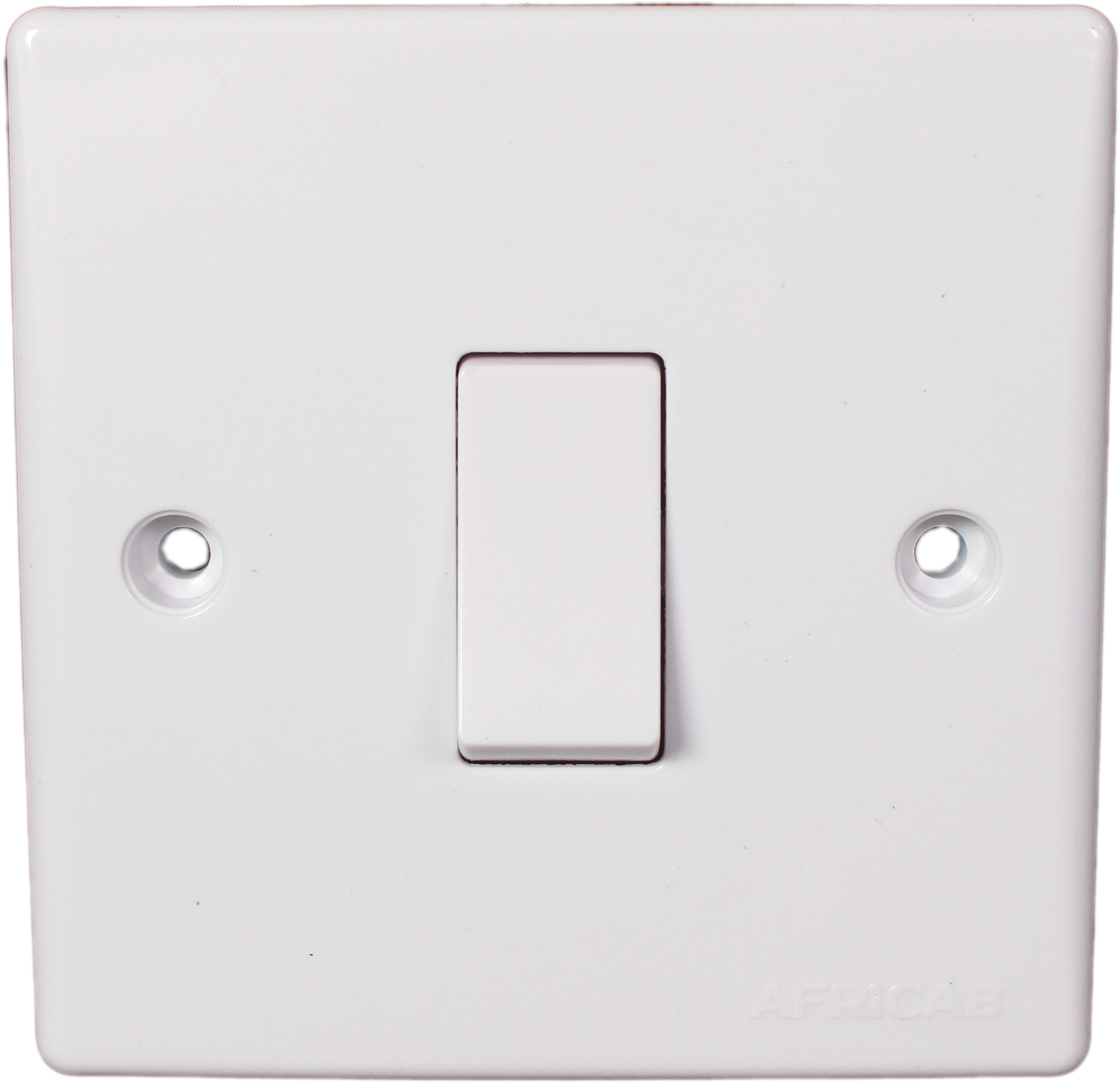
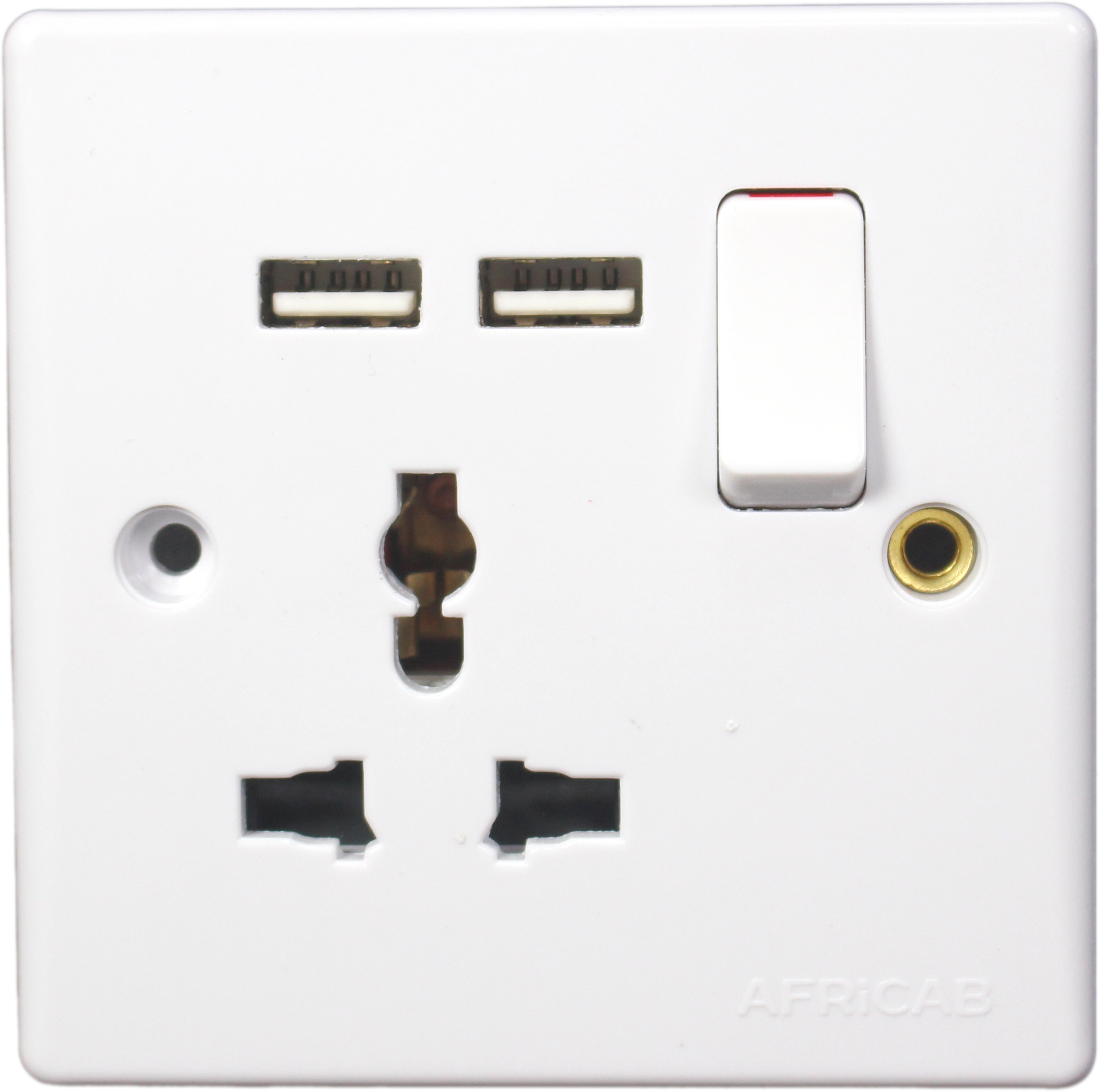
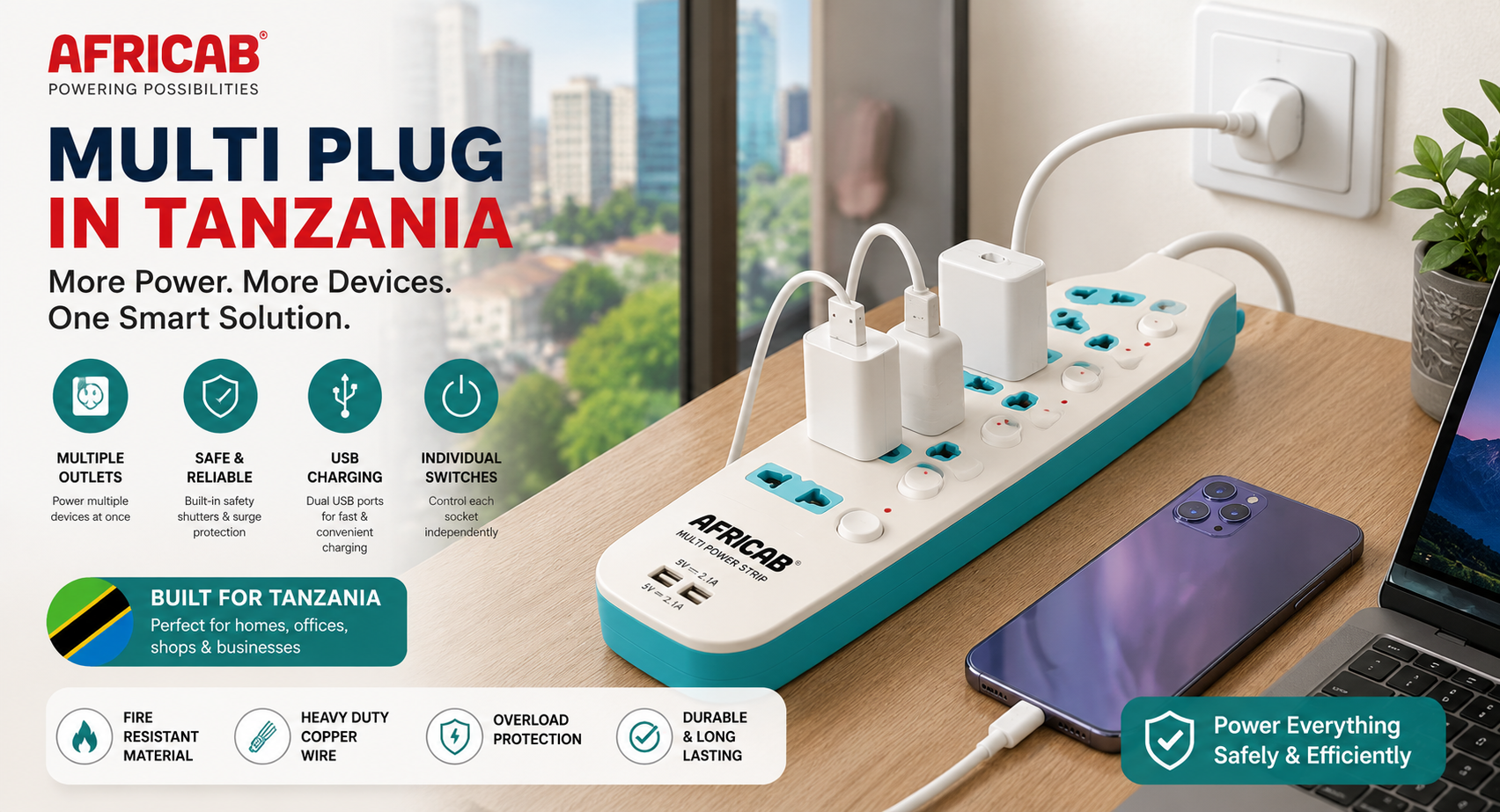
If you have ever plugged in a laptop, a phone charger, a fan, and a kettle only to realize your wall socket has just one outlet, you already know why a multi plug in Tanzania is one of the most useful household items you can own. Whether you live in Dar es Salaam, Arusha, Dodoma, or Zanzibar, or you're simply visiting for work or holiday, understanding how multi plugs work in Tanzania — and how to choose a safe one — can save you money, protect your devices, and prevent electrical accidents.
This guide covers everything you need to know about buying and using a multi plug in Tanzania, including socket types, safety standards, and tips for getting the most value from your purchase.
Why You Need a Multi Plug in Tanzania
Most homes, guesthouses, and offices in Tanzania are built with a limited number of wall sockets per room. As households and businesses add more electronics — phones, laptops, routers, televisions, fans, and kitchen appliances — the demand for extra outlets grows quickly. A good multi plug (also called an extension socket, power strip, or adapter block) lets you:
-
Connect multiple devices to a single wall outlet safely
-
Extend power access to areas of a room without a nearby socket
-
Reduce the need for multiple single adapters plugged in awkwardly
-
Charge several phones or laptops at once, which is especially useful in shared homes, hostels, and offices
-
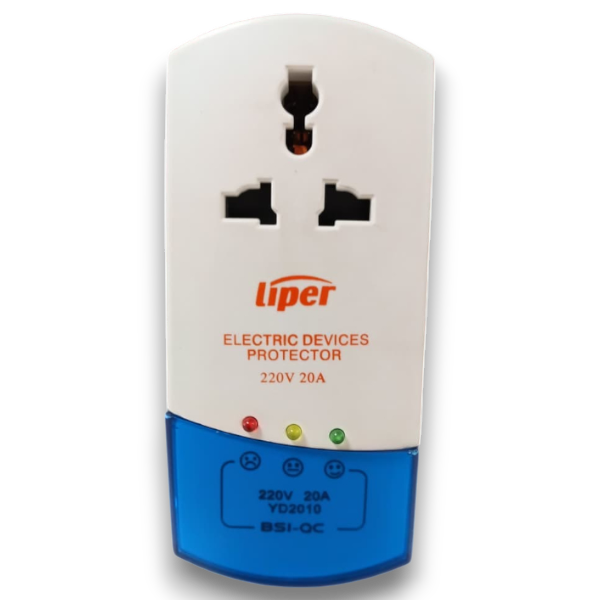
Protect sensitive electronics with built-in surge protection, if the multi plug has that feature
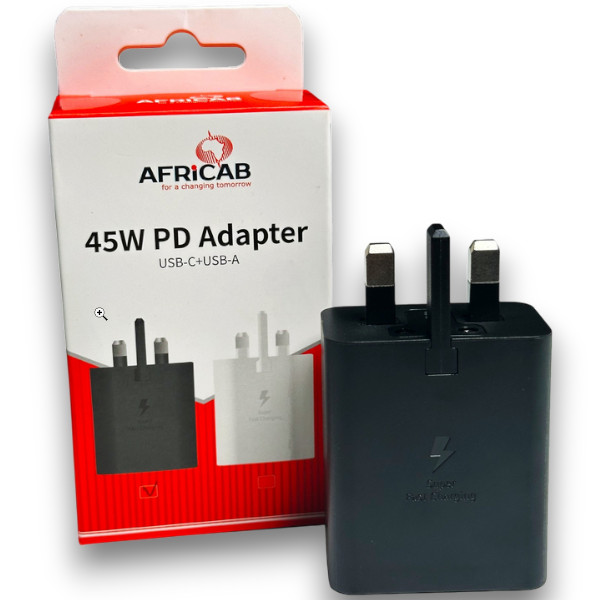
For travelers, a multi plug in Tanzania is also handy for combining device types — for example, plugging in both a UK-style three-pin charger and a smaller two-pin adapter using one central strip.
Understanding Tanzania's Electrical System
Before buying a multi plug in Tanzania, it helps to understand the local electrical standard:
-
Voltage: Tanzania runs on 230V at 50Hz, similar to the UK, most of Europe, and much of East Africa.
-
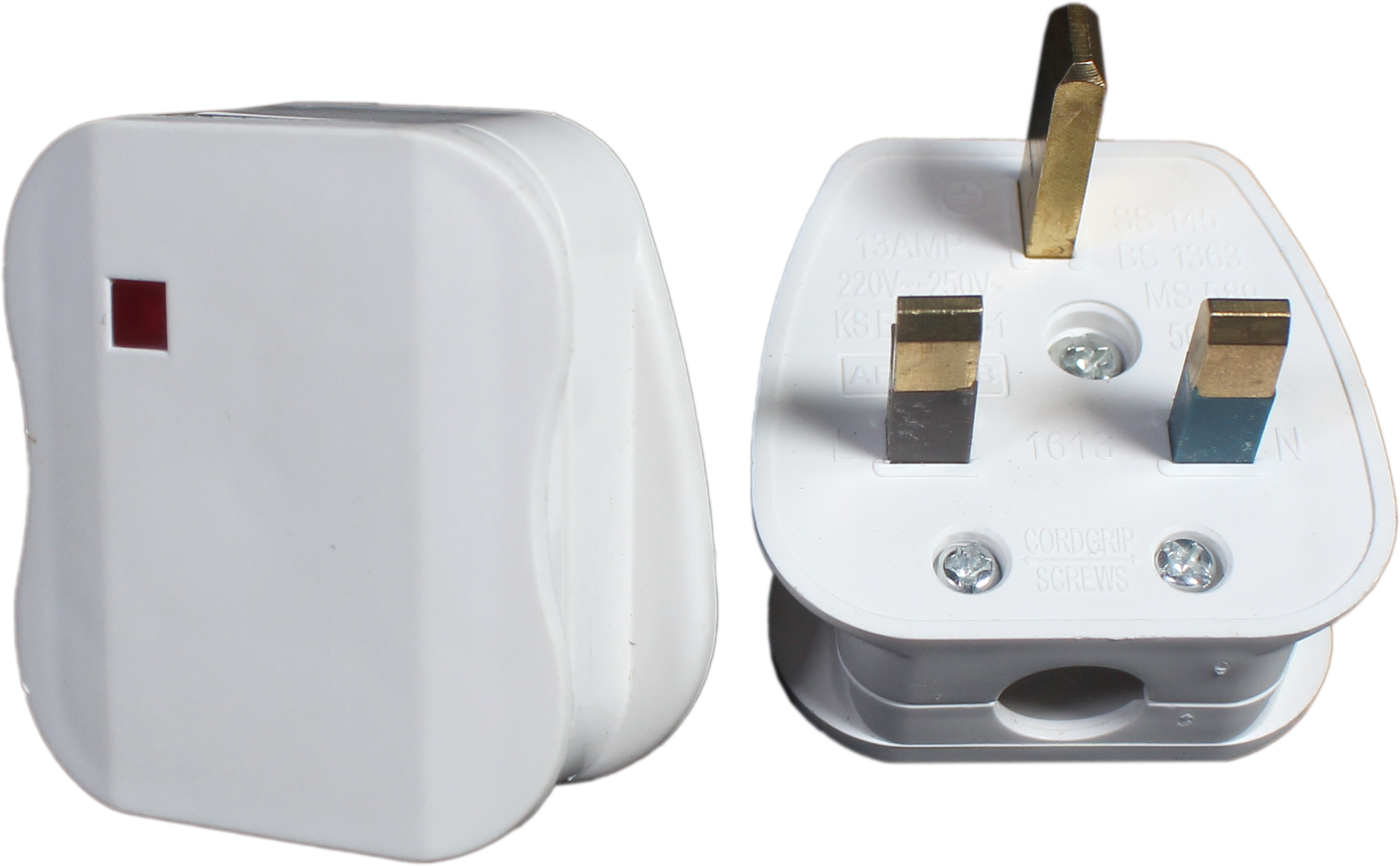
Plug types: The most common plug types used in Tanzania are Type D (the old British three round-pin plug) and Type G (the modern British three rectangular-pin plug with a fuse). Type G is now the most widely used in newer buildings, hotels, and offices.
-
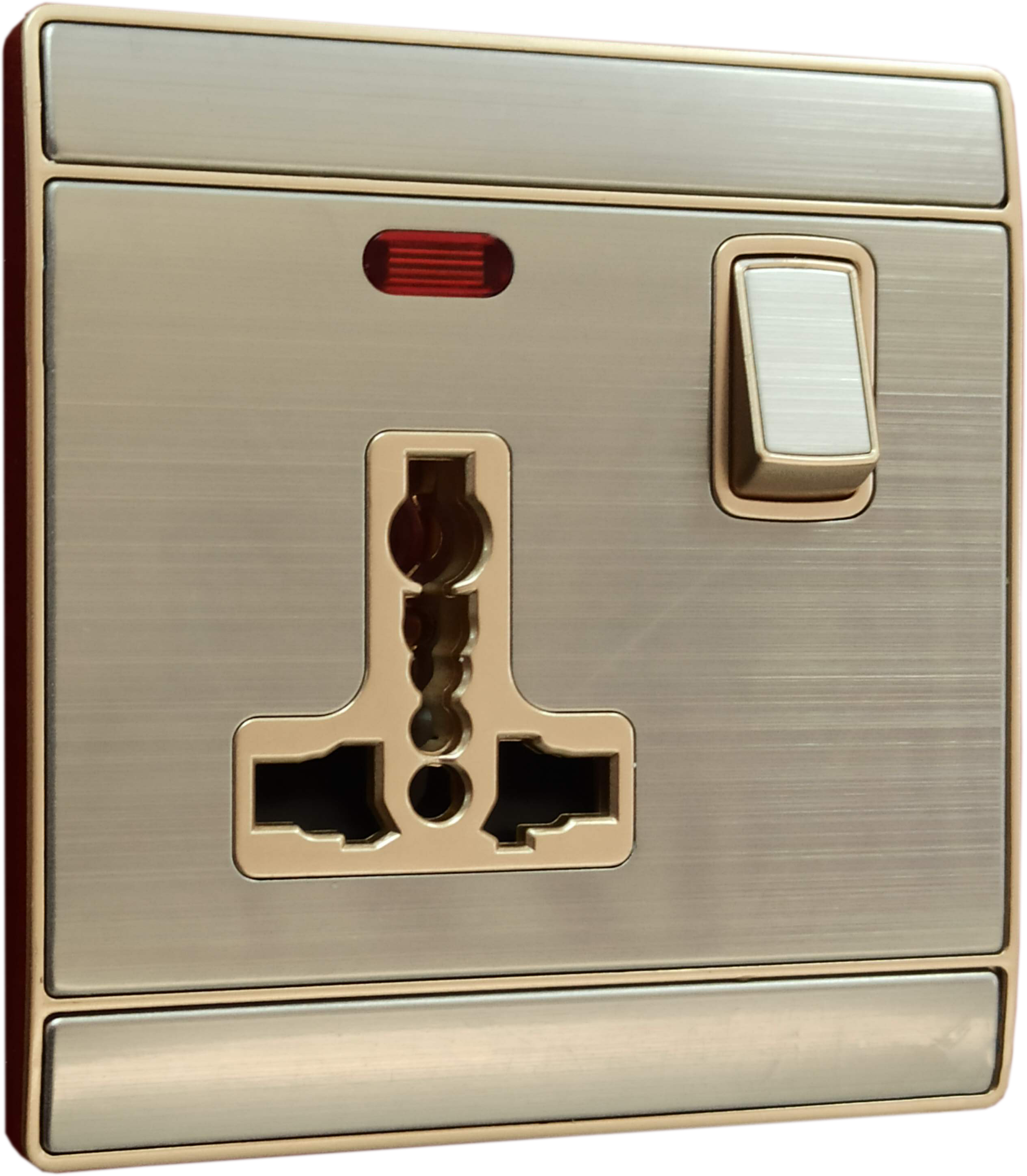
Sockets: Wall sockets are typically designed for Type G plugs, though older buildings may still have Type D fittings.
This matters because if you're buying a multi plug in Tanzania, or bringing one from abroad, you want to make sure the plug end matches Type G (or Type D for older buildings) so it fits snugly into local sockets without needing a separate adapter.
Types of Multi Plugs Available in Tanzania
When shopping for a multi plug in Tanzania, you'll typically find these categories:
1. Basic Extension Strips
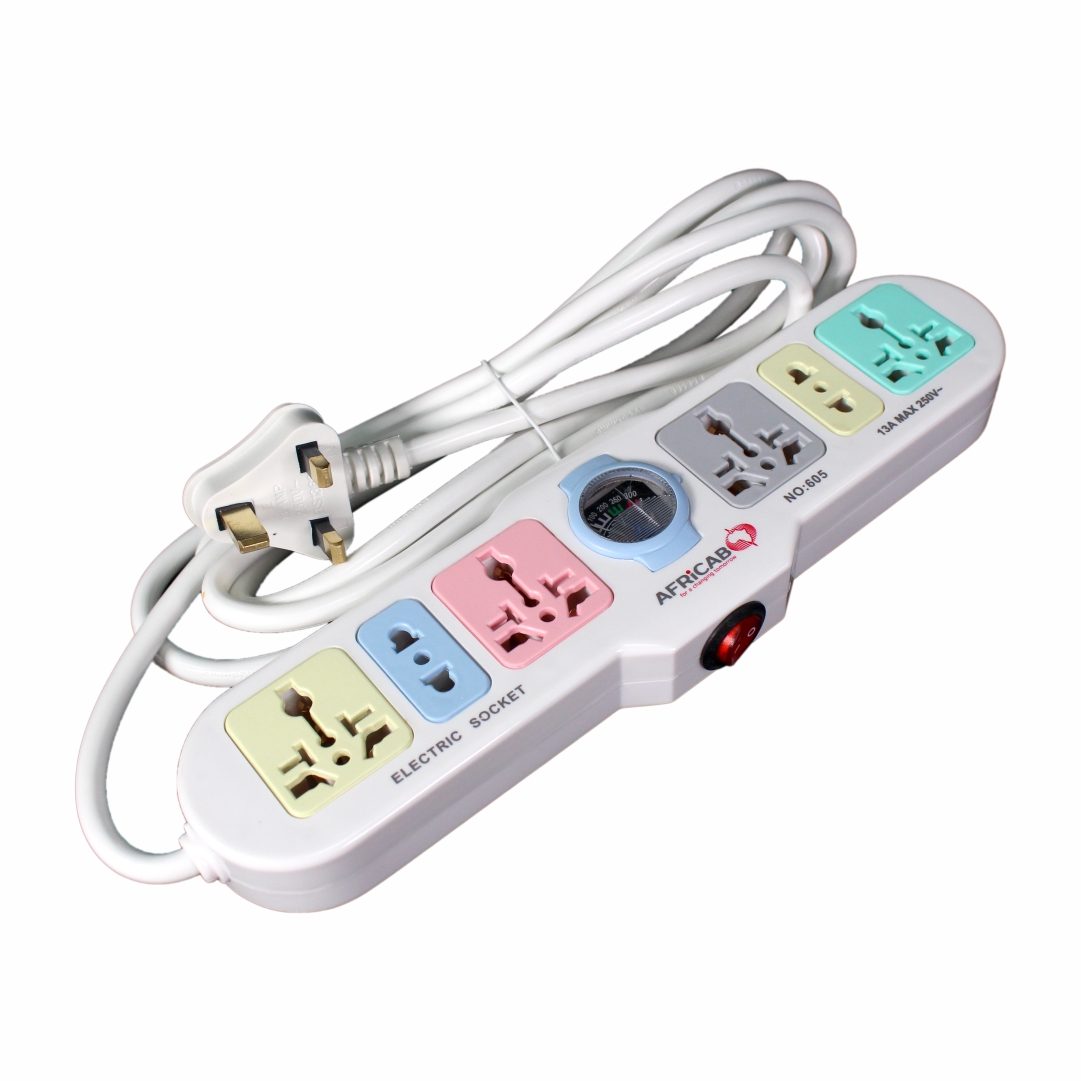
These are simple multi-socket strips with three to six outlets and a single cord to the wall. They're affordable and widely available in electronics shops, supermarkets, and local hardware stores across Tanzanian towns and cities.
2. Surge-Protected Power Strips
These include a built-in circuit breaker or surge protector, which shields your electronics from voltage spikes — a real concern in areas where power fluctuations or outages are common. Given Tanzania's occasional grid instability, a surge-protected multi plug is a smart investment for laptops, TVs, and routers.
3. Universal Travel Multi Plugs
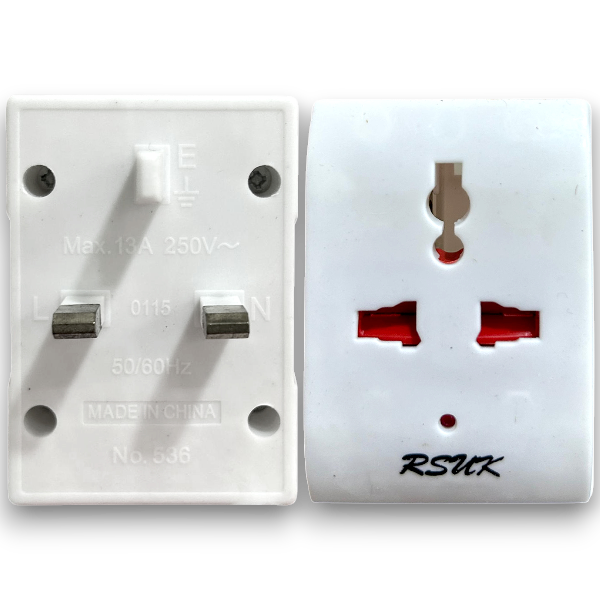
These compact adapters are designed for travelers and combine multiple plug types (UK, EU, US, and sometimes Australian) into one unit, often with USB ports built in. They're ideal if you're visiting Tanzania from abroad and want a single adapter that works with all your devices.
4. USB and USB-C Multi Plugs
Modern multi plugs increasingly come with USB and USB-C ports alongside standard sockets, letting you charge phones and tablets directly without needing a separate charging block. These are increasingly popular in Tanzanian cities where smartphone use is high.
How to Choose a Safe and Reliable Multi Plug in Tanzania
Not all multi plugs are made equal, and safety should be your top priority. Here's what to check before buying:
-
Certification marks: Look for safety certifications such as CE, or standards recognized by the Tanzania Bureau of Standards (TBS). Avoid unbranded, uncertified products sold without any safety markings.
-
Fuse rating: A good multi plug should have a fuse (commonly 13A for UK-style Type G plugs) to prevent overloading.
-
Cable thickness: Thicker cables handle more current safely. Avoid extension strips with thin, flimsy wiring, especially if you plan to power heavier appliances like kettles or heaters.
-
Number of outlets vs. your needs: Choose a strip with enough sockets for your devices, but avoid overloading a single strip with high-wattage appliances at once.
-
Surge protection: Especially useful in areas prone to power surges, protecting expensive electronics like laptops and TVs.
-
Build quality: Check that the plastic casing is solid, sockets fit snugly, and there are no exposed wires.
Where to Buy a Multi Plug in Tanzania
You can find multi plugs in Tanzania through several channels:
-
Electronics and hardware shops in major cities like Dar es Salaam, Mwanza, and Arusha
-
Supermarkets that stock household electrical accessories
-
Local markets, though quality can vary, so inspect products carefully before buying
-
Online marketplaces serving Tanzania, which often offer a wider selection of branded, surge-protected, and USB-enabled options with reviews to guide your choice

If you're buying online, check seller ratings and product reviews, and confirm the plug type matches Tanzania's Type G standard before ordering.
Safety Tips for Using a Multi Plug
Once you've bought your multi plug in Tanzania, keep these safety practices in mind:
-
Don't overload a single strip with high-power appliances like heaters, irons, or kettles.
-
Unplug the strip during lightning storms or extended power outages to avoid surge damage.
-
Avoid daisy-chaining multiple extension strips together, as this increases fire risk.
-
Keep the strip away from water sources, especially in kitchens and bathrooms.
-
Replace any multi plug with visible wear, exposed wires, or a loose socket immediately.
Final Thoughts
A reliable multi plug in Tanzania is a small purchase that makes a big difference in daily convenience, whether you're powering a home office, a family living room, or a hotel room during a visit. By understanding Tanzania's Type D and Type G socket standards, choosing a certified and surge-protected option, and following basic safety practices, you can power all your devices confidently and safely — no matter where you are in the country.
Comments
No approved comments yet.